
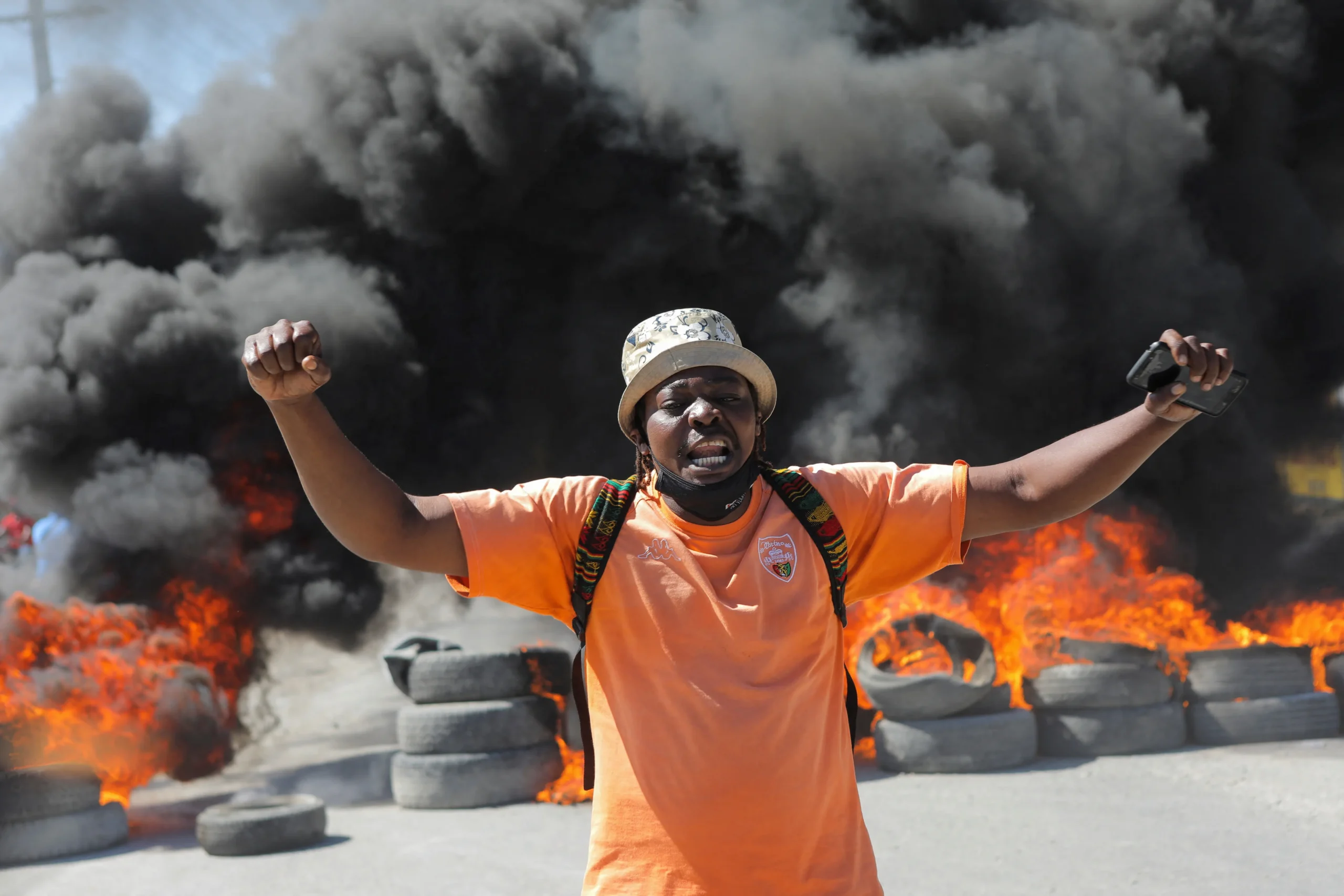
A Struggle Between History, Power, and Hope
Haitian politics has always been complex, turbulent, and deeply tied to the country’s history. To speak of Haitian politics is to speak of resilience and struggle, of victories that inspired the world and challenges that continue to weigh heavily on the nation.
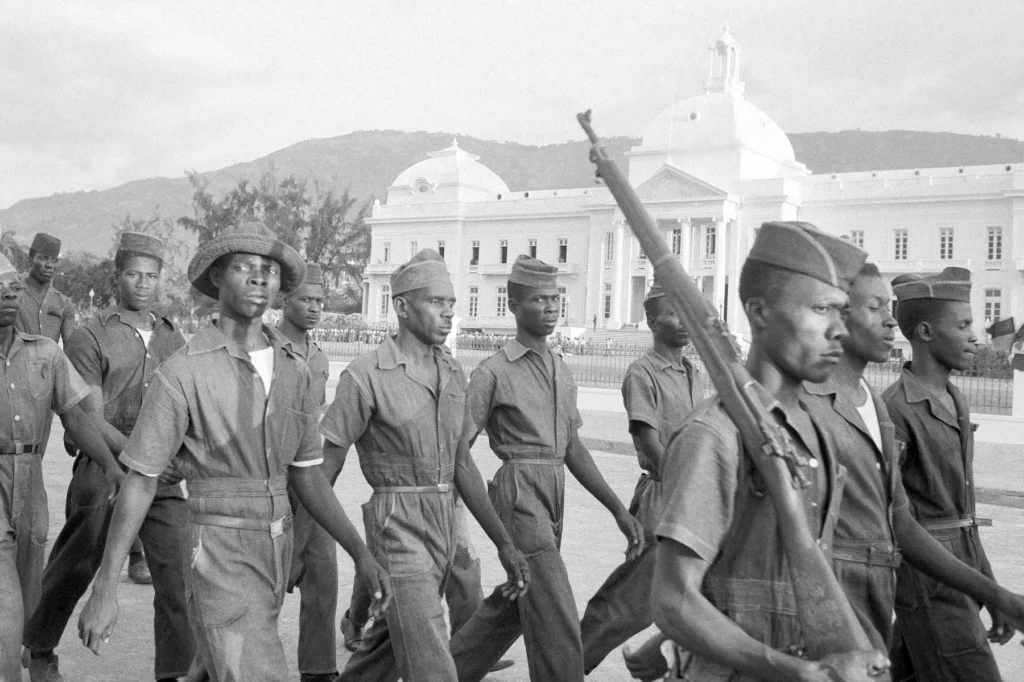
When Haiti declared independence in 1804, it made history as the first Black republic, born out of the only successful slave revolt in the modern world. This was not just a political victory—it was a moral one, sending shockwaves across the globe. Yet, this triumph came at a cost. From the beginning, Haiti was isolated by colonial powers, forced to pay crippling reparations to France, and undermined by foreign influence. This legacy of debt and exclusion set the stage for political instability that continues to echo today.
Over the past two centuries, Haitian politics has been marked by cycles of authoritarian rule, foreign intervention, and fragile attempts at democracy. Leaders have risen and fallen, sometimes through the ballot box, often through coups or unrest. Corruption and weak institutions have made it difficult to build a stable political system. Even when democracy was restored in the 1990s, it struggled to take root, constantly shaken by contested elections, political violence, and mistrust between citizens and their government.
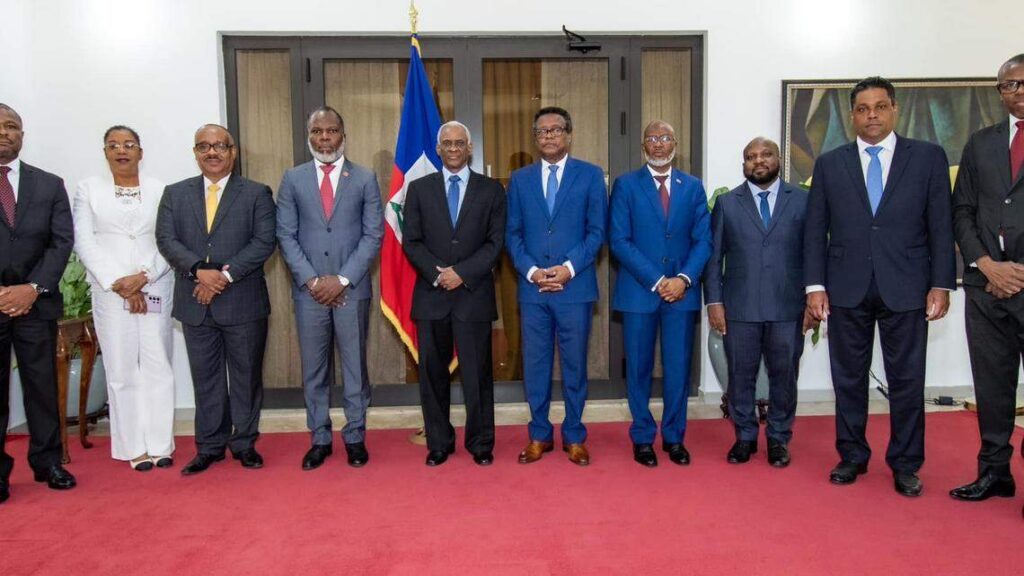
In recent years, Haiti’s political landscape has faced even greater challenges. Armed gangs have gained influence, controlling neighborhoods and even challenging state authority. Political leaders have failed to provide security, stability, and economic opportunities, leaving ordinary Haitians to bear the consequences. Institutions meant to protect democracy—the parliament, the courts, the presidency—often find themselves paralyzed or compromised. Foreign powers, international organizations, and the Haitian diaspora continue to play a major role, sometimes as partners in development, other times as sources of tension.
Yet, Haitian politics cannot be described only through its failures. Beneath the instability lies a remarkable resilience. Civil society groups, grassroots movements, religious organizations, and young activists continue to demand transparency, accountability, and dignity. The Haitian people—whether at home or abroad—refuse to give up on their nation. They remain engaged, often at great personal risk, because they believe in Haiti’s potential for change.
Haitian politics, then, is a paradox. It is a system often clouded by corruption and instability, yet carried forward by the hope and determination of its people. It is the weight of history pressing down, but also the unbreakable spirit of resistance pushing upward. To describe Haitian politics is to describe a constant struggle between hardship and hope, between betrayal and resilience, between the painful lessons of the past and the dream of a better future.
In the end, Haiti’s politics are not just about leaders or institutions—they are about the people who continue to endure, resist, and believe that a brighter future is possible. And that, perhaps, is the most powerful part of the Haitian political story.




0 Comments