
The Evolution of Konpa
Origins (1950s)
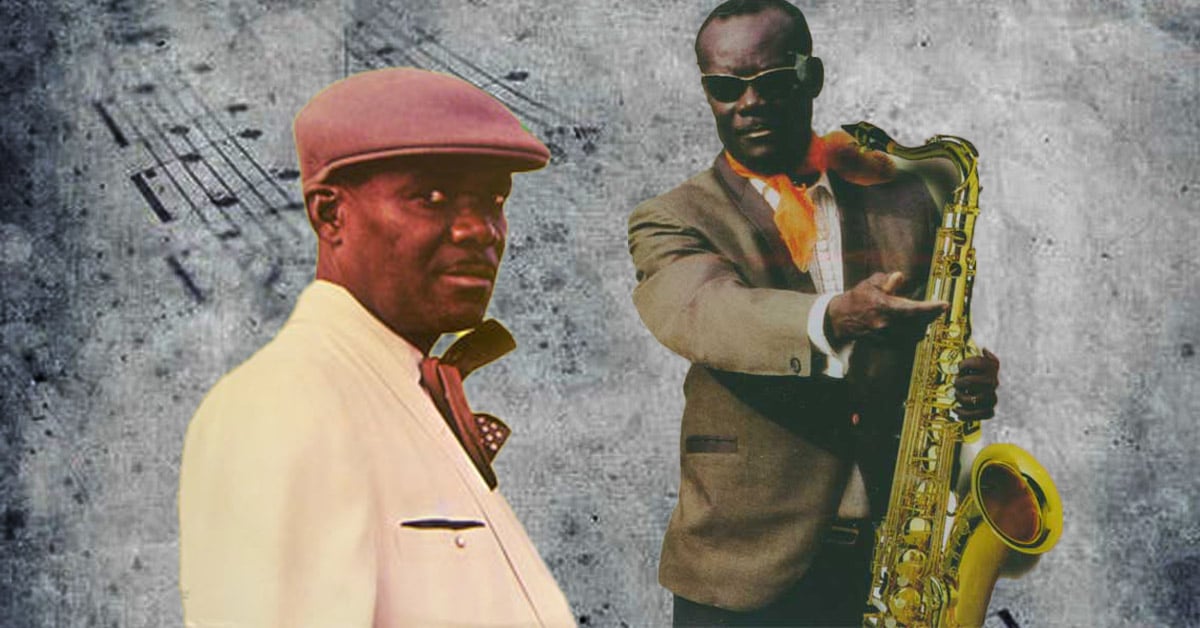
- Konpa Dirèk (often just called Konpa) was created in the 1950s by Nemours Jean-Baptiste, a Haitian saxophonist and bandleader.
- It was heavily influenced by merengue from the Dominican Republic, jazz big band arrangements, and traditional Haitian rhythms.
- Nemours simplified merengue’s fast tempo into a smoother, more danceable beat—this became the backbone of Konpa.
Golden Era (1960s–1970s)
- Konpa became the dominant popular music in Haiti and among the diaspora.
- Bands like Ensemble Nemours Jean-Baptiste, Ensemble Webert Sicot, and later Skah Shah and Tabou Combo brought Konpa to international stages.
- Instrumentation included horns, guitars, accordion, bass, percussion, and piano—giving it a jazzy, full-band sound.
- In the 1970s, Mini-Jazz (smaller guitar-driven Konpa bands) also emerged, making the style more accessible to younger musicians.
Modernization & Diaspora Influence (1980s–1990s)
- Konpa fused with other genres like funk, soul, and Caribbean zouk (especially from Guadeloupe and Martinique).
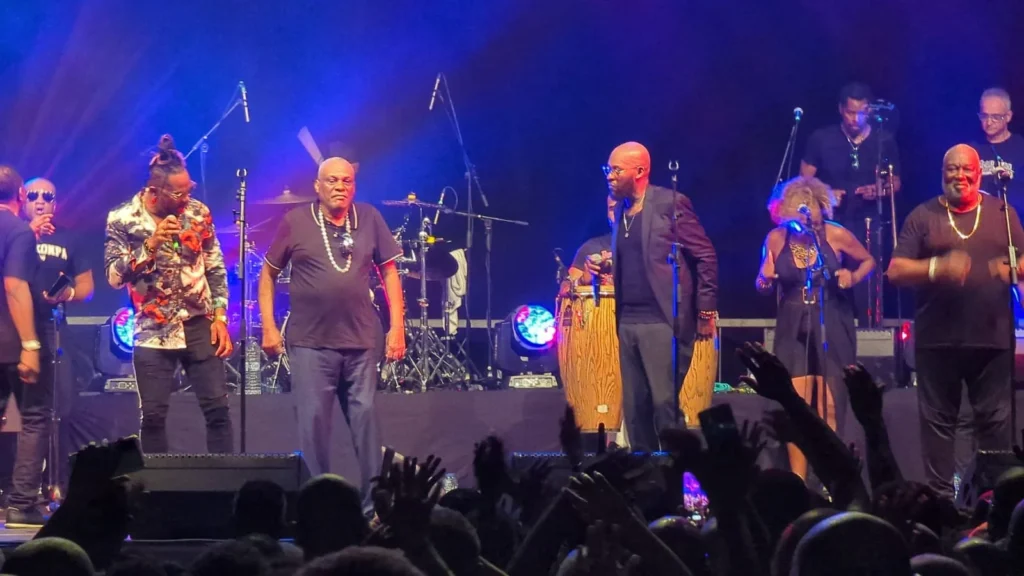
- The Haitian diaspora in New York, Miami, Montreal, and Paris shaped the music scene, adding electric keyboards, drum machines, and synthesizers.
- Popular groups included DP Express, Magnum Band, and Zin.
- Compas Love (a softer, romantic Konpa style) gained popularity, especially in dance halls.
Nouvelle Génération (2000s–Present)
- Modern Konpa incorporates hip hop, R&B, and electronic production while keeping its signature steady beat and danceable groove.
- Bands like Carimi, T-Vice, Nu-Look, Klass, Harmonik, and Djakout Mizik became household names across Haitian communities worldwide.
- Solo artists and smaller groups have risen, blending trap, Afrobeat, and zouk-love influences with Konpa.
- Digital platforms and streaming have given Konpa wider global exposure, though it remains strongest within Haitian and Caribbean audiences.
Legacy & Global Impact
- Konpa has influenced other Caribbean genres, including zouk, cadence-lypso, and even soca.
- It remains Haiti’s most popular dance music and an essential part of weddings, parties, and cultural celebrations.
- Today, it continues to evolve while honoring its roots—keeping Nemours Jean-Baptiste’s rhythm alive.

0 Comments