What is Haitian Voodoo?
Haitian Vodou (often spelled Voodoo in English) is one of the most deeply rooted and misunderstood cultural traditions of Haiti. It’s not the dark magic Hollywood movies often portray, but rather a rich spiritual practice that blends West African religions, Catholicism, and indigenous beliefs. It was brought to Haiti by enslaved Africans during the transatlantic slave trade, then reshaped by the island’s unique history of resistance, survival, and freedom.
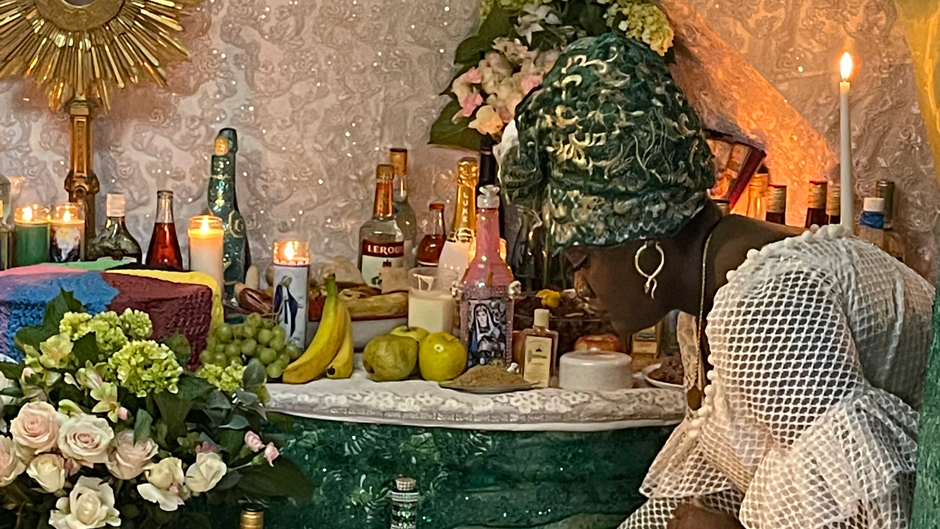
At its core, Vodou is about connection—between the visible world and the invisible one. Practitioners, called vodouisants, believe in a supreme creator known as Bondye (from the French Bon Dieu, meaning “Good God”), who is distant and not directly involved in daily life. Instead, humans interact with spiritual intermediaries called the lwa (spirits). Each lwa has distinct personalities, preferences, and areas of influence—some protect families, others govern love, justice, agriculture, or the ocean. Offerings of food, drink, music, and dance are given to honor them.
Vodou is also about community and healing. Ceremonies often include drumming, singing in Haitian Creole, dancing, and spirit possession—where a lwa may “mount” a participant, speaking and acting through them. Far from being frightening, this is seen as a blessing, a chance for advice, healing, or guidance.
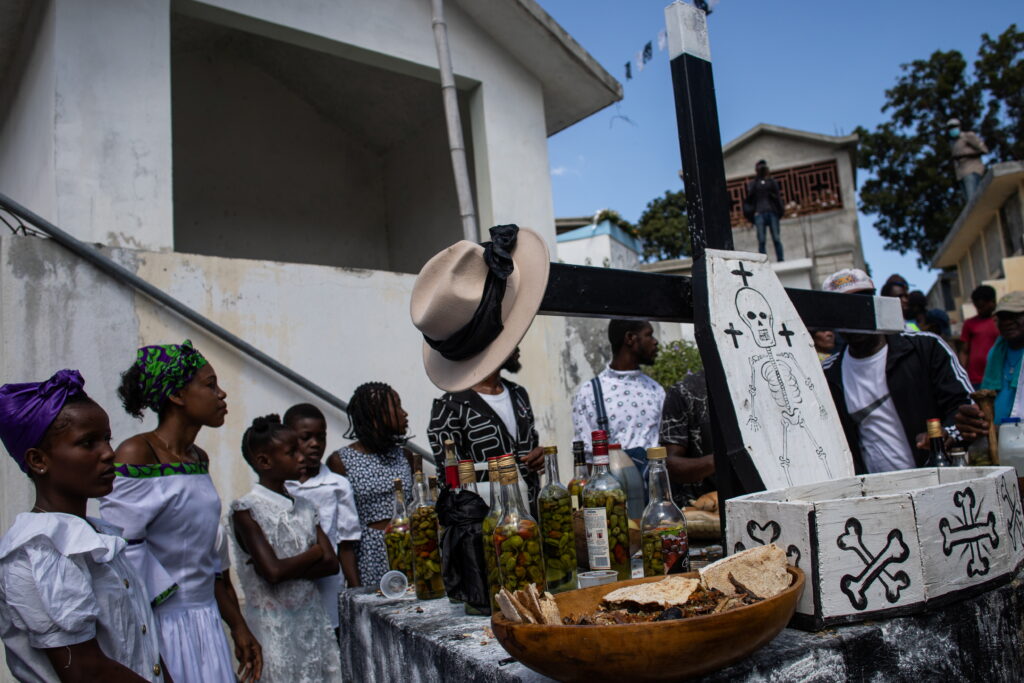

Another important aspect is ancestral reverence. Vodou teaches that the spirits of the dead remain active and must be respected, fed, and remembered. Ancestors are protectors who keep families strong across generations.
Perhaps most importantly, Vodou was a force of liberation in Haiti’s history. During the Haitian Revolution, Vodou gatherings were places of unity and resistance, giving enslaved Africans courage to rise against colonial rule. The famous 1791 Bois Caïman ceremony, often considered the spiritual spark of the revolution, shows how deeply Vodou is tied to Haitian identity and independence.
Today, Vodou is still widely practiced in Haiti and among Haitian communities abroad. It provides not just spiritual guidance but also a sense of belonging, cultural pride, and resilience in the face of hardship.
✨ In short: Haitian Vodou is a religion of rhythm, spirit, ancestors, and freedom—born out of suffering, yet a source of strength, creativity, and identity.


0 Comments